


You can usually tell within a minute whether a restaurant truly understands gluten-free dining. It is there in the first answer to a simple question, in the confidence of the staff, and in whether the conversation feels like hospitality or damage control. This guide to dedicated gluten free restaurants is for anyone who is tired of decoding vague menu labels, negotiating risk at the table, or treating dinner out like a test of luck.
For people with celiac disease, the difference between a restaurant that offers a few gluten-free dishes and one that is fully dedicated is not small. It changes the entire experience. Instead of asking which fryer is shared, whether the cutting board was wiped down, or if soy sauce made its way into the marinade, you get to focus on what dining out should be about - flavor, company, atmosphere, and the pleasure of sharing a meal without tension sitting beside the wine glass.
What dedicated gluten free restaurants actually mean
A dedicated gluten-free restaurant is not simply a place with symbols on the menu. It is a restaurant where the entire kitchen, all ingredients, and every preparation process are designed to exclude gluten. No wheat pasta is boiling in the back. No breadcrumbs are hiding in the prep station. No regular flour is drifting through the air and landing where it should not.
That distinction matters because cross-contact is where many good intentions fall apart. Plenty of restaurants genuinely want to accommodate gluten-free guests, but they are working in kitchens built around bread baskets, shared toasters, common fryers, and fast service. Even careful teams can struggle when the system itself is not designed for safety.
In a dedicated space, safety is built into the room before the first order is even taken. That changes the emotional temperature of the meal. You are not ordering around danger. You are simply ordering dinner.
A guide to dedicated gluten free restaurants: what to look for
The most reassuring restaurants rarely sound rehearsed. They sound specific. If you ask how they handle gluten, the answer should go beyond, "We have options." A dedicated restaurant can explain, clearly and calmly, that the kitchen is entirely gluten-free, that ingredients are sourced accordingly, and that procedures are structured around that standard.
Menu design tells you a lot too. In a mixed kitchen, gluten-free choices often feel like edits - substitutions, removals, compromises. In dedicated gluten-free restaurants, dishes are usually conceived from the start to be complete and satisfying. The food does not read like a restricted version of something else. It reads like the chef meant it that way.
Staff language is another clue. When a team understands the reality of celiac disease, they do not treat gluten-free requests as a trend or a preference to be loosely interpreted. They answer with respect, not alarm. They know what is in the sauces, what is in the desserts, and why certainty matters.
There is also a more intangible sign: generosity. The best dedicated gluten-free restaurants do not make safety feel clinical. They make it feel effortless. You sit down, order freely, share plates, and feel included in the full rhythm of the table.
Why dedicated matters more than labeled menu items
There is nothing inherently wrong with a restaurant offering labeled gluten-free dishes in a mixed kitchen. For some guests and some levels of sensitivity, that can be enough. But for people with celiac disease, "enough" is often where the stress begins.
A labeled dish can still pass through a crowded line, touch shared utensils, or pick up contamination in the fryer. The menu may be accurate while the environment remains risky. That is why many gluten-free diners become experienced investigators. They do not only ask what a dish contains. They ask how the kitchen moves.
Dedicated restaurants remove much of that burden. They do not ask guests to perform quality control on the restaurant's behalf. They have already made the structural commitment. That is a very different level of care, and people who need it recognize the difference immediately.
It is also why dedicated places often inspire unusual loyalty. When someone has spent years being the cautious one at every dinner, the restaurant that finally lets them relax becomes more than a restaurant. It becomes the place they recommend to friends, return to for celebrations, and remember long after the trip is over.
The trade-offs are real, and worth understanding
A thoughtful guide to dedicated gluten free restaurants should be honest about the trade-offs too. Going fully gluten-free is not the easier path for a restaurant. It requires stricter sourcing, retraining, different recipes, and a willingness to rethink classics from the ground up.
For guests, the trade-off can sometimes be variety of a certain kind. If you are expecting a conventional bakery selection or a very traditional bread service, some dedicated restaurants may approach those categories differently. Texture, technique, and ingredient choices can vary a lot from one place to another.
But that is not automatically a limitation. In the best hands, a dedicated gluten-free kitchen becomes a creative kitchen. Chefs stop chasing imitation and start building dishes that stand on their own terms. The result is often more interesting food, not less. You notice ingredients more clearly, seasonings more intentionally, and a stronger sense that the menu has a point of view.
How to choose the right dedicated gluten free restaurant for the occasion
Not every meal asks for the same kind of restaurant. Sometimes you want a quiet lunch where you can eat without planning the whole afternoon around it. Sometimes you want a date-night table with great lighting, a serious drinks program, and small plates that keep the conversation moving. Sometimes you are traveling with friends and need a place where the gluten-free guest feels safe without making the rest of the group feel like they are compromising.
That is where atmosphere matters as much as policy. The strongest dedicated gluten-free restaurants understand that people are not only looking for safety. They are looking for pleasure. They want a room with personality, food worth lingering over, and service that treats dietary needs as normal rather than exceptional.
Cuisine style matters too. Shared-plate formats often work especially well because they restore one of the pleasures gluten-free diners are frequently denied: spontaneity. Instead of ordering the one modified entrée, everyone at the table gets to reach, taste, compare, and talk. That sense of abundance matters more than people realize.
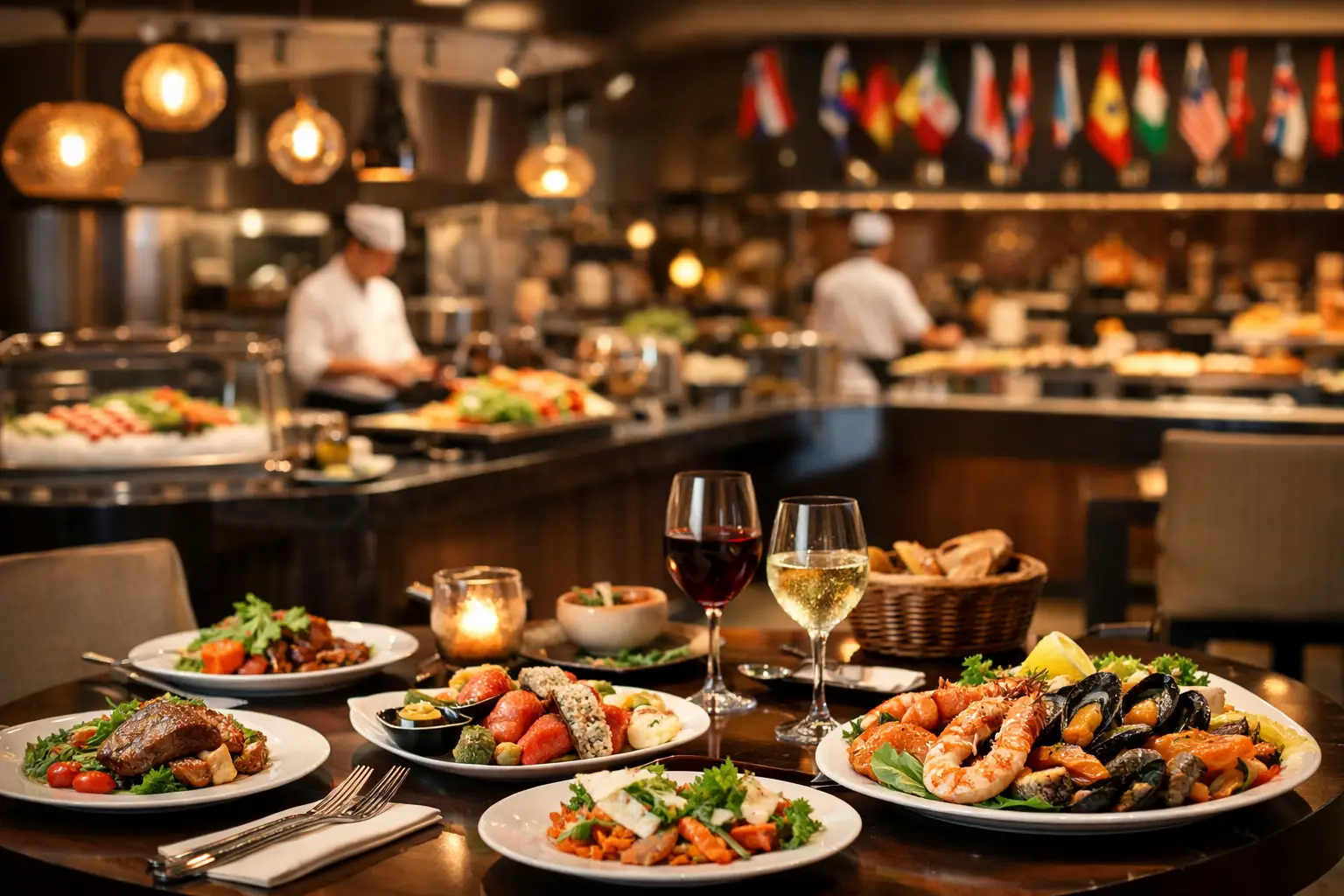
In cities with international dining scenes, the most memorable dedicated restaurants often bring cultural perspective as well as technical care. A kitchen shaped by travel, family history, or a genuine point of view will always be more compelling than one built only around restriction. In Budapest, for example, Saboré shows what happens when a fully gluten-free kitchen is not treated as a side note but as the foundation for a generous, globally inspired table.
Questions worth asking before you book
Even with dedicated restaurants, a little curiosity can help you choose well. Ask whether the kitchen is fully gluten-free or only certain menu sections are. Ask whether desserts and drinks are held to the same standard. If you are traveling with a group, ask about sharing plates, reservations, or how the menu works for mixed tastes.
You are not interrogating the restaurant. You are learning whether its idea of hospitality matches your needs. Good places welcome that conversation because they know trust is part of the meal.
Reviews can help, but read them carefully. The most useful comments usually mention how the staff responded, how relaxed the experience felt, and whether the food was memorable beyond the gluten-free promise. That last part matters. Safety gets people through the door. Delicious food is what brings them back.
What the best experience feels like
The best dedicated gluten-free restaurants do something subtle and powerful. They return normal pleasure to people who have had to approach restaurants with caution. You stop scanning the table for crumbs. You stop calculating risk between courses. You order dessert because dessert is offered with confidence, not hesitation.
And if you are dining with someone who has celiac disease, you feel that shift too. The evening becomes more relaxed for everyone. Nobody is apologizing, translating, or double-checking every plate. The meal can finally be social again.
That is why this category matters far beyond diet trends. A dedicated gluten-free restaurant is not simply serving a niche. At its best, it is restoring a basic human experience: the joy of being welcomed fully, fed beautifully, and included without caveat.
If you are choosing where to eat next, look for the places where safety is built into the kitchen and generosity is built into the table. Those are the restaurants that do more than accommodate. They let people exhale - and that is often where a truly memorable meal begins.