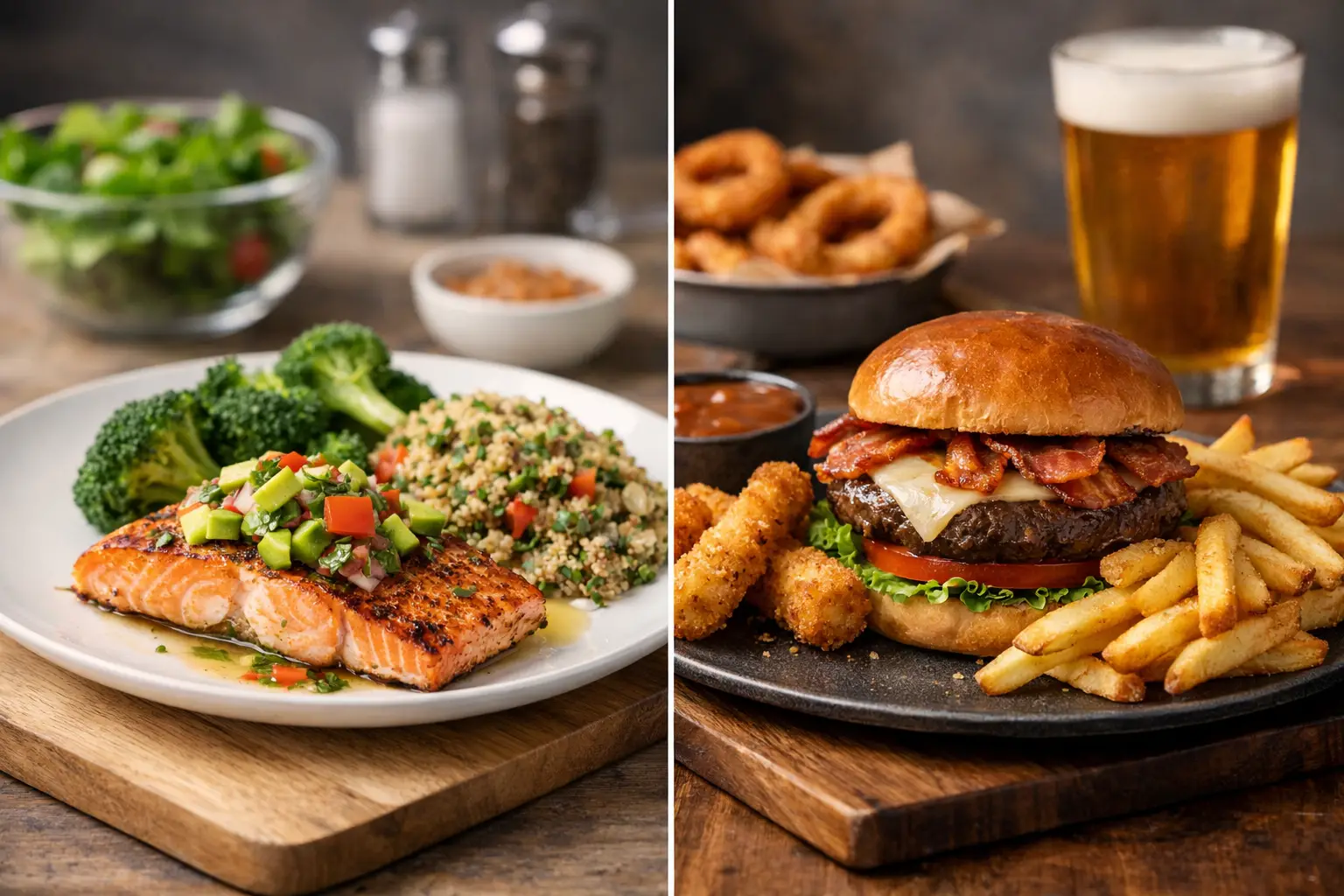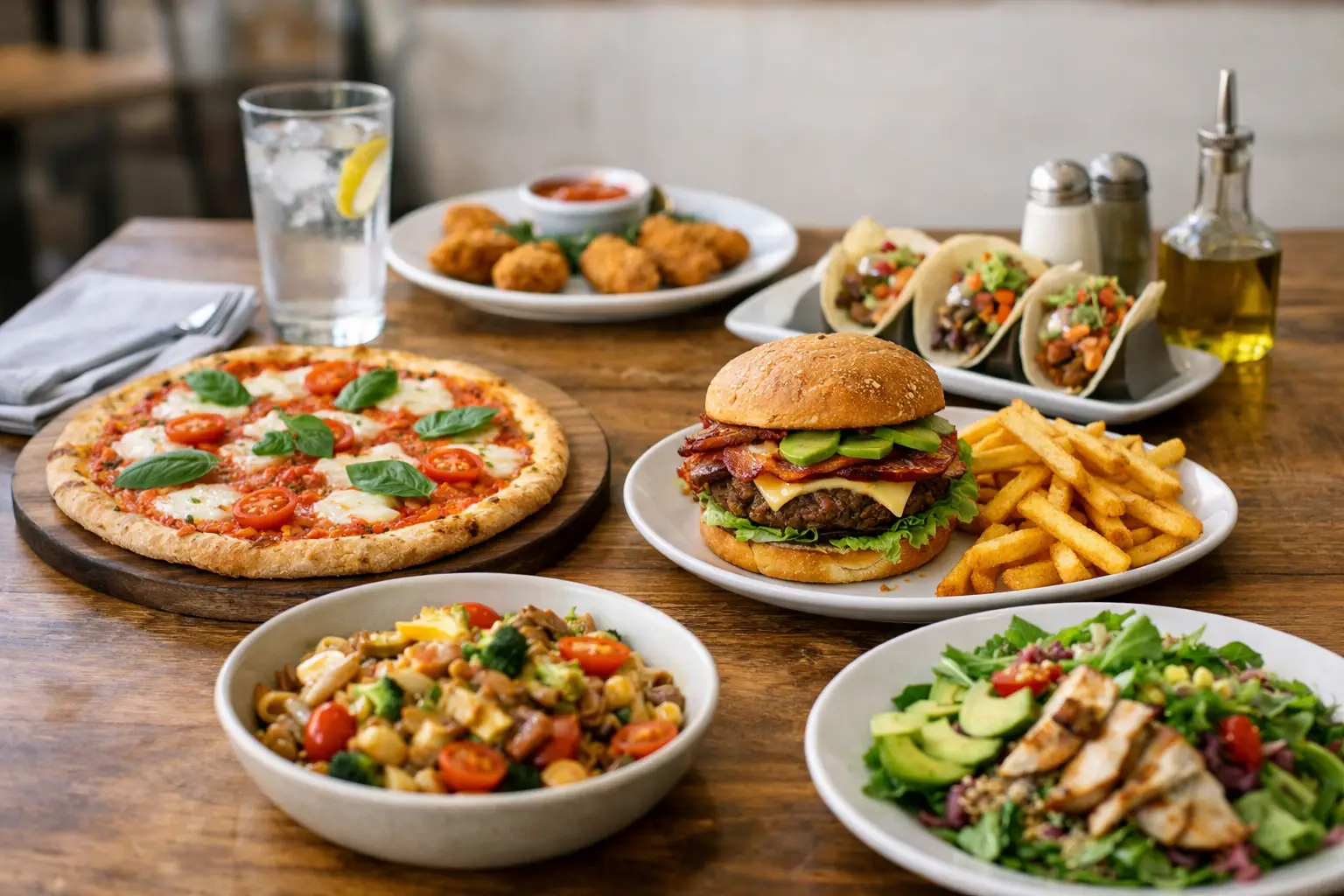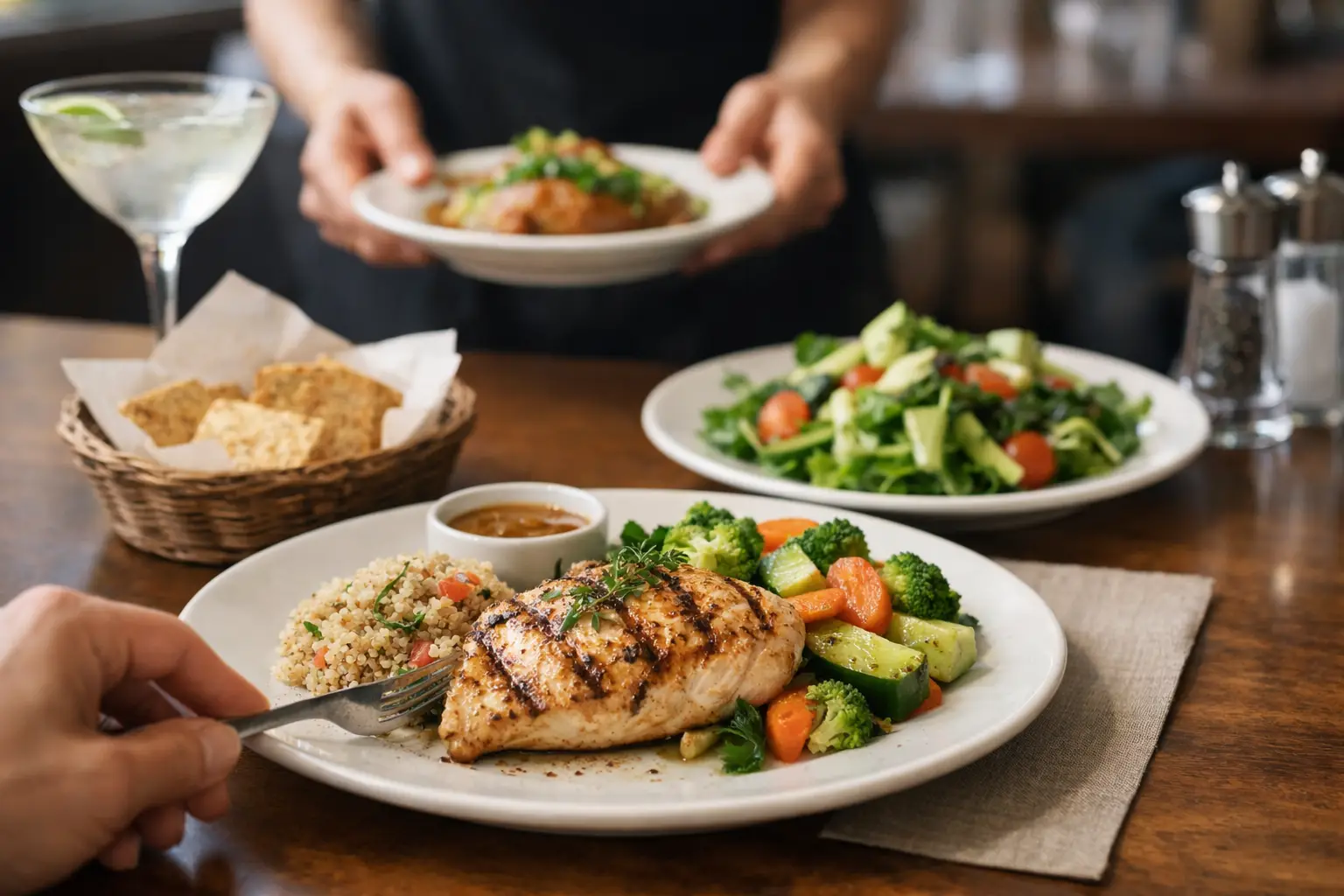



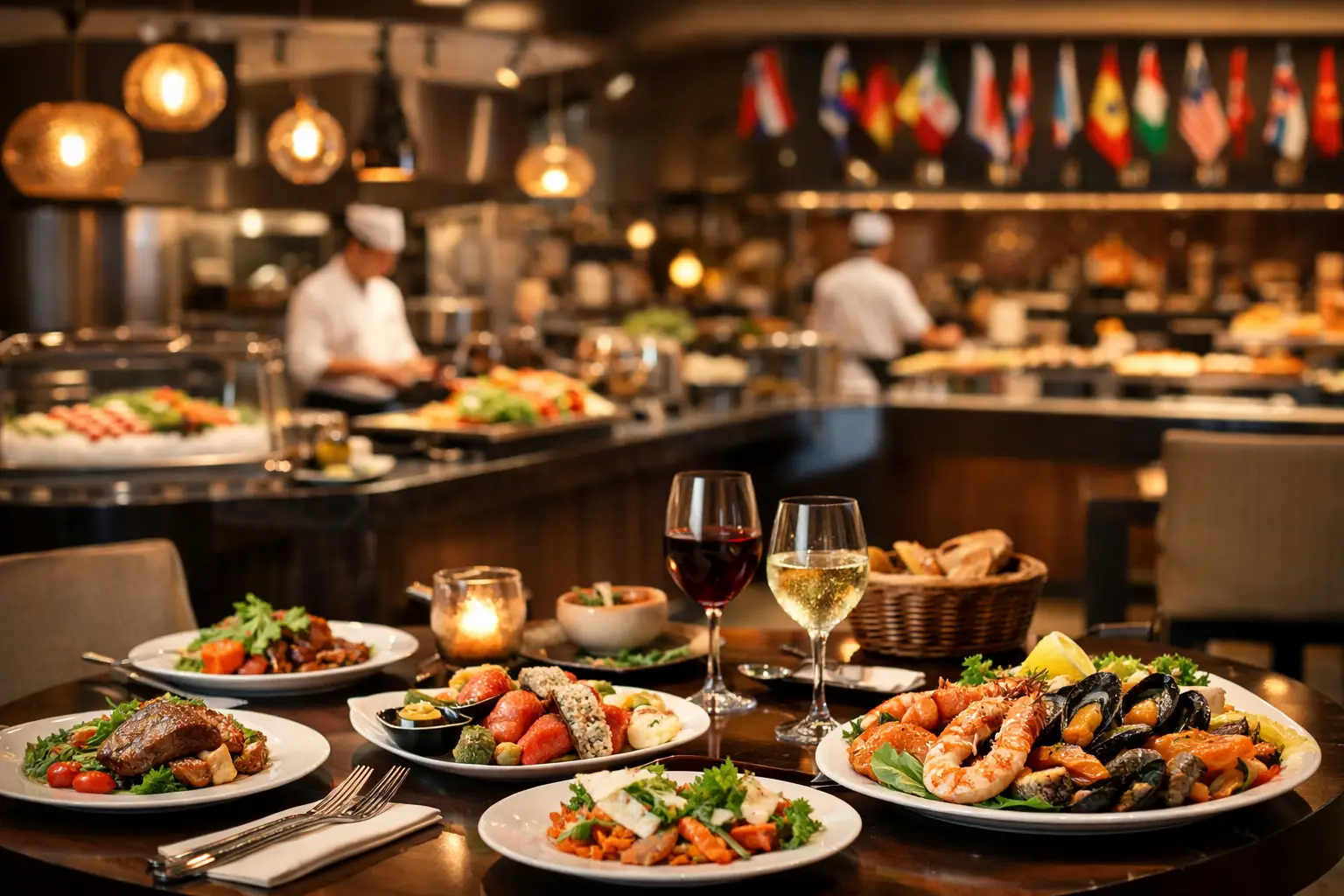
A great világkonyha étterem is never just a place that puts a few international dishes on the menu and calls it a day. You can feel the difference almost immediately - in the confidence of the cooking, in the way the table fills with plates that belong together, and in the sense that someone behind the menu has actually lived the flavors they are serving.
That difference matters more than people admit. Global dining has become common, but memorable global dining is still rare. Too often, "international" means scattered influences, trend-driven choices, or a menu that wants to be everywhere at once and ends up nowhere in particular. The restaurants people return to do something more demanding. They turn travel, memory, technique, and hospitality into a coherent experience.
A világkonyha étterem is about perspective, not variety
The easiest mistake is assuming that a world cuisine restaurant should offer as many countries as possible. More flags do not automatically create more depth. In fact, the opposite is often true. A kitchen with too many ideas and no point of view can feel restless.
What gives a világkonyha étterem real character is perspective. Maybe the menu moves through the Mediterranean with occasional North African turns. Maybe Asian flavors appear, but through a tapas format that encourages conversation and sharing. Maybe Latin ingredients show up in a way that feels natural because the chefs understand how acidity, spice, smoke, and texture speak to one another across cultures.
The best version of this kind of restaurant does not treat global food like a collection of souvenirs. It treats it like a language. Some dialects are bold, some are delicate, some are nostalgic, and some are surprising, but they still make sense together.
Why story matters as much as seasoning
People remember a dish more vividly when it carries a story. Not a marketing line, but a real origin - a market visited years ago, a family table, a street-side meal that stayed in the mind long after the trip ended. When a restaurant is built by people who have traveled widely and eaten with curiosity, that experience changes the food in subtle but unmistakable ways.
You see it in restraint. A dish inspired by Morocco, Spain, or Southeast Asia does not need to perform its identity with clichés if the kitchen understands its soul. You also see it in confidence. Restaurants with a genuine global point of view are less interested in imitation and more interested in interpretation.
That is where the emotional pull comes from. Diners are not only tasting ingredients. They are tasting a memory translated into a plate meant to be shared in the present.
The real test is whether the menu feels connected
A strong international menu has rhythm. Rich dishes are balanced by bright ones. Spice is offset by freshness. Crisp textures sit beside slow-cooked depth. The table builds naturally, not awkwardly.
This is especially true in restaurants shaped by sharing culture. Small plates reveal very quickly whether a kitchen understands composition. If every dish is loud, dinner becomes tiring. If every dish plays it safe, the experience feels forgettable. But when one plate brings citrus and herbs, another brings warmth and smoke, and another brings comfort with a little surprise, the meal starts to feel curated rather than assembled.
That curation is one of the clearest signs that a world cuisine restaurant is serious. It shows discipline. It also shows respect for the guest, because the experience has been thought through from the first bite to the last sip.
Atmosphere matters more in global dining than in simpler concepts
When a restaurant invites you into many culinary influences at once, the room itself has to hold the experience together. Service, pacing, lighting, music, and plating all matter. If the atmosphere is cold or generic, the food has to work twice as hard.
The most compelling spaces feel intimate and open at the same time. They are designed for lingering. They encourage a second glass of wine, another small plate, one more conversation. That matters because world cuisine is often best enjoyed socially. It is food that asks to be discussed, passed across the table, compared, and remembered.
A premium setting can elevate that experience, but only if it still feels personal. Guests do not want to feel processed. They want to feel hosted. There is a difference, and good restaurants know it instinctively.
Safety is part of quality, not an extra
For many diners, especially those with celiac disease or gluten intolerance, the promise of a világkonyha étterem can come with hesitation. International menus often rely on sauces, marinades, fried elements, and spice blends that make cross-contact harder to track. A dish may sound adventurous and beautiful, but if safety is uncertain, the experience is narrowed before it begins.
This is where restaurants reveal what they truly believe hospitality means. Offering a few labeled dishes is not the same as creating trust. Trust comes from systems, from discipline, and from the willingness to build a kitchen around the guest rather than asking the guest to take a risk.
That choice changes the emotional temperature of a meal. When every dish in the kitchen is fully gluten-free, the table opens up again. Sharing becomes simple. Ordering becomes joyful instead of cautious. The guest who usually has to ask extra questions, decline bites, or settle for the safe option gets to participate fully.
That is not a niche detail. It is a profound form of inclusion.
In Budapest, where gluten-free dining can still involve too much uncertainty, this distinction becomes even more meaningful. A place like Saboré shows what happens when world flavors and absolute kitchen safety are treated as part of the same promise, not competing priorities.
What to look for before you book
If you are choosing a restaurant for date night, a dinner with friends, or a visit with guests from abroad, it helps to read beyond the menu description. Ask yourself whether the concept feels lived-in. Is there a clear identity behind the food, or does it sound like trend-chasing? Does the sharing format seem intentional? Can you imagine the dishes working together?
Then think about trust. If someone at the table has dietary restrictions, how seriously does the restaurant appear to take them? There is a big difference between accommodation and commitment. One is a service adjustment. The other is part of the restaurant's DNA.
You should also pay attention to tone. The best hospitality brands communicate with warmth and conviction. They do not make guests feel demanding for needing clarity, and they do not reduce food to technical labels. They understand that people want to eat safely, yes, but they also want pleasure, beauty, and ease.
A world cuisine restaurant should still feel local in one way
Even the most international restaurant needs a sense of place. Not because it has to serve local food, but because it has to belong somewhere. In a city like Budapest, that can mean becoming a meeting point for travelers, locals, expats, and regulars who all want the same thing - a table where curiosity and comfort meet.
That local belonging keeps a globally inspired restaurant from floating into abstraction. It becomes part of the city's dining life rather than a detached concept. The room develops regular rhythms. The service becomes more intuitive. The menu can evolve without losing itself.
And guests notice. They may come for the promise of international flavors, but they return for the feeling that this place has a heart.
Why the best meals stay with you
A memorable dinner rarely comes down to a single dish. More often, it is the combination of things done well: a menu with a point of view, flavors that travel without becoming confused, a room that invites connection, and a level of care that allows every guest to relax.
That is what makes a világkonyha étterem worth seeking out. Not novelty for its own sake, and not variety used as decoration, but a genuine expression of how food carries stories across borders and back to the table.
When a restaurant can do that while making every guest feel fully welcome and fully safe, the meal becomes more than impressive. It becomes generous. And that is the kind of place people talk about long after the plates are cleared.