


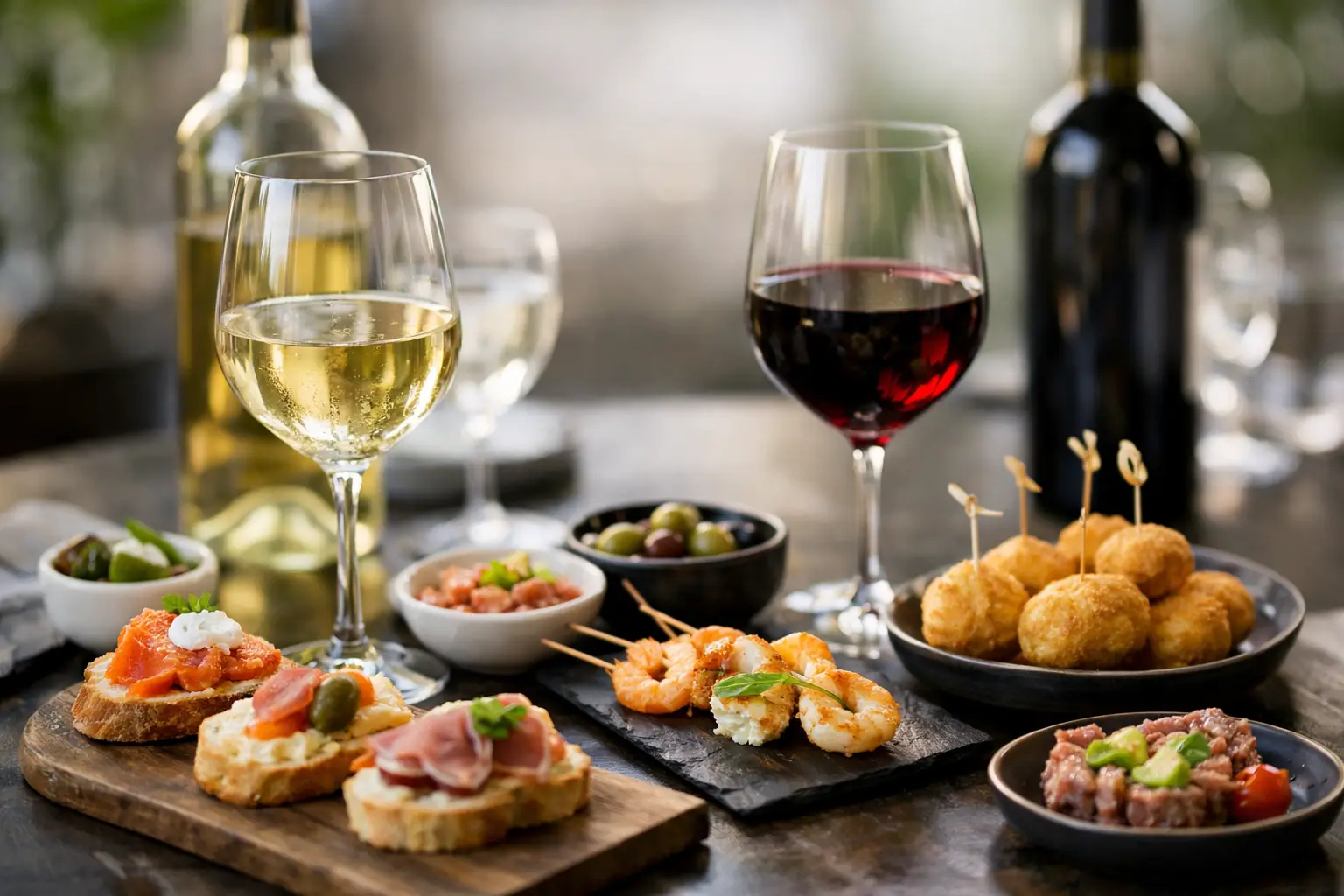
A great small-plates table rarely moves in a straight line. One bite is bright with citrus, the next is smoky, then something creamy arrives, then a dish with heat. That is exactly why hogyan párosíts bort kisfogásokhoz is a better question than simply asking which wine goes with dinner. With small plates, you are not pairing one bottle to one entrée. You are building a conversation across a whole table.
That is also what makes it fun. A good pairing does not need to feel academic or stiff. It should feel like travel does when you land somewhere new and instantly know you are in good hands - one glass opens up the dish, one dish changes the wine, and suddenly the whole meal feels more alive.
Hogyan párosíts bort kisfogásokhoz without overthinking it
The easiest mistake is chasing perfect matches for every single plate. In practice, small plates ask for flexibility. You want wines that can move comfortably between different textures, spices, and cooking styles.
Start by thinking less about the main ingredient and more about the dominant character of the dish. Is it salty, creamy, charred, spicy, pickled, herb-driven, or sweet-savory? A shrimp dish with lemon and herbs behaves very differently from shrimp in a smoky tomato sauce. The sauce, seasoning, and texture usually matter more than whether the plate is seafood, vegetables, or meat.
The second rule is to respect pace. If the table starts with lighter, fresher bites, opening with a heavy, oak-forward red can flatten everything that comes after. A crisp sparkling wine, a mineral white, or a dry rosé gives you more room early in the meal. Fuller reds and richer whites usually make more sense once roasted, caramelized, or deeply spiced plates enter the picture.
And then there is the reality no one should ignore - sometimes one bottle must work across five or six dishes. In that case, versatility wins over precision. High acidity, moderate alcohol, and restrained oak are usually your allies.
Build the pairing around weight, not status
People often assume red wine is more serious, white wine is lighter, and sparkling is only for the start. Small plates do not respect those old hierarchies. They reward balance.
Weight matters because your palate registers the body of the wine and the density of the food together. A delicate crudo can disappear next to a broad, buttery Chardonnay. On the other hand, grilled mushrooms or slow-cooked lamb can make a thin white feel absent.
A simple way to think about it is this: light dishes tend to like light to medium-bodied wines, while richer or more intensely seasoned dishes can carry fuller wines. But there are exceptions, and they are often the most interesting ones. Fatty food can love high-acid white wine. Spicy food often behaves better with lower-alcohol whites or fruit-forward reds than with tannic, powerful bottles.
If your table moves across several cuisines or flavor references, this becomes even more useful. A Mediterranean plate with olive oil, herbs, and citrus often welcomes something zippy and saline. A Moroccan-inspired bite with warm spice may lean toward aromatic whites or juicy reds with soft tannins. A Latin dish with char and sweetness may call for a rosé with grip or a red that stays fresh rather than heavy.
Why acidity is often the safest bet
When in doubt, choose acidity. Wines with lively acidity refresh the palate, lift fried or creamy textures, and keep salty foods from feeling too heavy. They also tend to be easier around a mixed table, where one guest orders seafood, another prefers vegetables, and someone else reaches for richer meat dishes.
This is why sparkling wines work so often with small bites. The bubbles are not just festive. They clean the palate and reset it. A dry sparkling wine can move comfortably from crunchy snacks to creamy spreads to fried tapas without asking much from the drinker.
Sauvignon Blanc, Albariño, dry Riesling, or a crisp rosé often play a similar role. Not because they pair with everything equally well, but because they fail gracefully. That matters on a shared table.
How to match common small-plate flavors
If you are figuring out hogyan párosíts bort kisfogásokhoz at home or in a restaurant, it helps to group dishes by flavor profile.
Salty dishes, such as olives, cured meats, anchovy-forward bites, or salty cheeses, usually love freshness. Sparkling wine, Manzanilla-style sherry profiles, dry rosé, and mineral whites tend to sharpen the edges in the right way. Big tannic reds can make salt feel harsher.
Creamy dishes want contrast. Think whipped feta, aioli, croquettes, soft cheeses, or rich spreads. High-acid whites and sparkling wines cut through that richness beautifully. A heavily oaked white can work if the dish is substantial, but with smaller bites it can tip from luxurious to tiring.
Charred or grilled plates bring bitterness and smoke, and this is where reds can start to shine. The key is to choose reds with enough fruit and freshness to handle smoke without becoming drying. Garnacha, Pinot Noir, or a lighter Syrah can often do more here than a dense Cabernet.
Spicy dishes are where many pairings go wrong. Heat makes alcohol feel hotter and tannins feel rougher. So if the table includes chili, harissa, pepper-forward sauces, or strong spice blends, step away from high-alcohol reds. Reach for off-dry or aromatic whites, chilled light reds, or fruit-driven rosé. The pairing does not need sweetness, but a touch of softness helps.
Acidic dishes with tomato, vinegar, citrus, or pickled elements need wines that can keep up. If the wine is lower in acid than the food, it may taste flat. This is where Sangiovese, Barbera, Vermentino, and crisp rosé can be especially good.
Texture changes the answer
Two dishes can share the same core flavors and still need different wines because texture changes everything. Fried calamari and grilled calamari are not the same pairing problem. One asks for lift and crunch-cleansing freshness. The other may welcome a bit more structure.
The same goes for raw versus roasted vegetables, fresh cheese versus aged cheese, or thinly sliced beef versus slow-braised beef. Texture decides how forcefully the wine needs to show up.
One bottle or several? It depends on the table
A date night table with four carefully chosen plates can justify a more tailored bottle. A larger group sharing ten or twelve dishes usually benefits from flexibility first. There is no virtue in forcing a dramatic red into a meal that keeps zigzagging from citrusy seafood to spicy vegetables to crispy bites.
If you are ordering one bottle, dry sparkling, crisp rosé, or an energetic white often gives the best return. If you are ordering two, the smartest move is usually contrast rather than escalation: begin with something bright and cleansing, then shift to a softer red or rounder white once the table moves into deeper flavors.
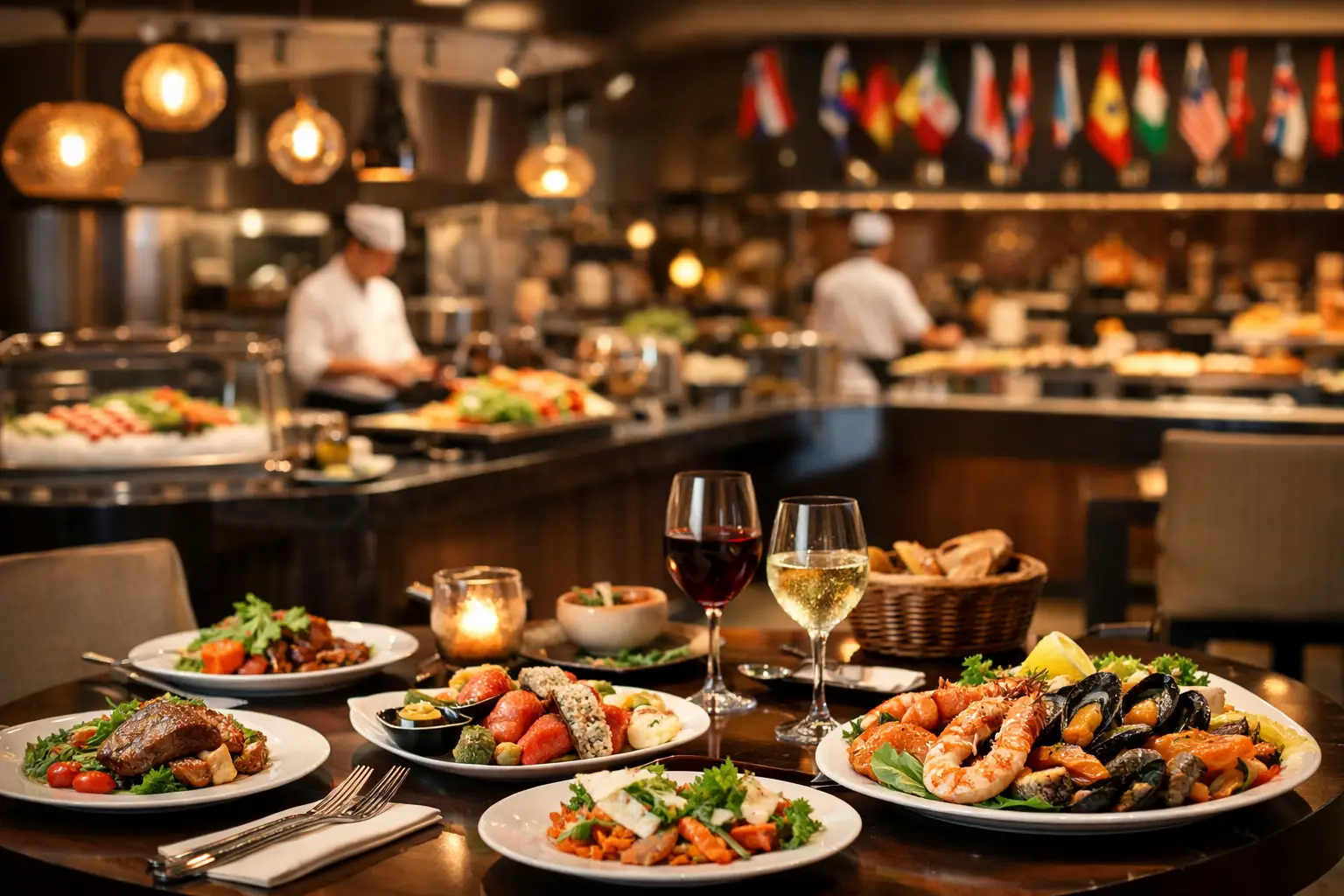
This is one reason a thoughtfully built wine program matters. In a place shaped around sharing, the best list is not just full of good labels. It understands movement. At Saboré, that idea feels especially natural because the food itself travels - across the Mediterranean, North Africa, Europe, Asia, and Latin flavors - while still meeting every guest at the table with the same standard of care and safety.
A few pairings that work beautifully in real life
If the table starts with marinated olives, whipped dips, and citrusy seafood, a dry sparkling wine or a saline white is hard to beat. The energy stays high, and nothing feels overpowered.
If roasted vegetables, warm spices, and grilled skewers begin to appear, a textured white or a light, juicy red often creates the bridge you need. This is the sweet spot where many meals become more interesting, because the wine can either brighten the spice or echo the roast.
For croquettes, fried bites, and anything creamy inside and crisp outside, bubbles are often better than people expect. The contrast is immediate and satisfying.
For smoky meat, mushrooms, or dishes with a little sweetness from caramelization, medium-bodied reds with freshness tend to outperform heavier, oakier choices. You want energy, not exhaustion.
And if the table includes heat, herbs, and tang all at once, do not be afraid of rosé. A serious dry rosé can be one of the most useful wines in the room.
The best pairing is the one that keeps the table open
Wine pairing with small plates is less about proving expertise and more about protecting momentum. You want a bottle that invites another bite, another sip, another story. The meal should feel generous, not managed.
So if you remember only one thing, let it be this: pair for the table you actually have, not the rule you once heard. Taste the salt, the spice, the char, the creaminess, the citrus. Then choose the wine that keeps everyone leaning in. That is usually where the magic starts.