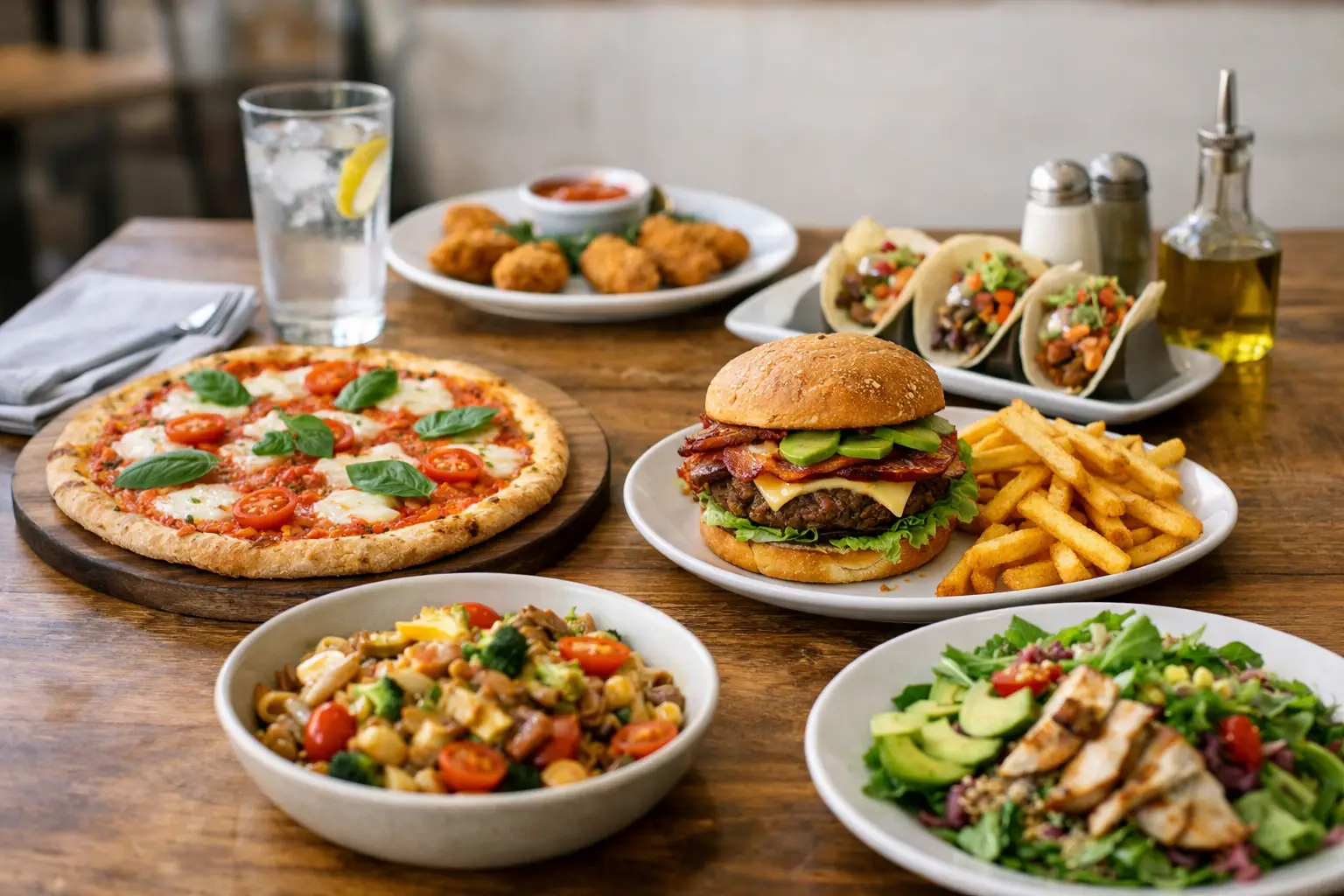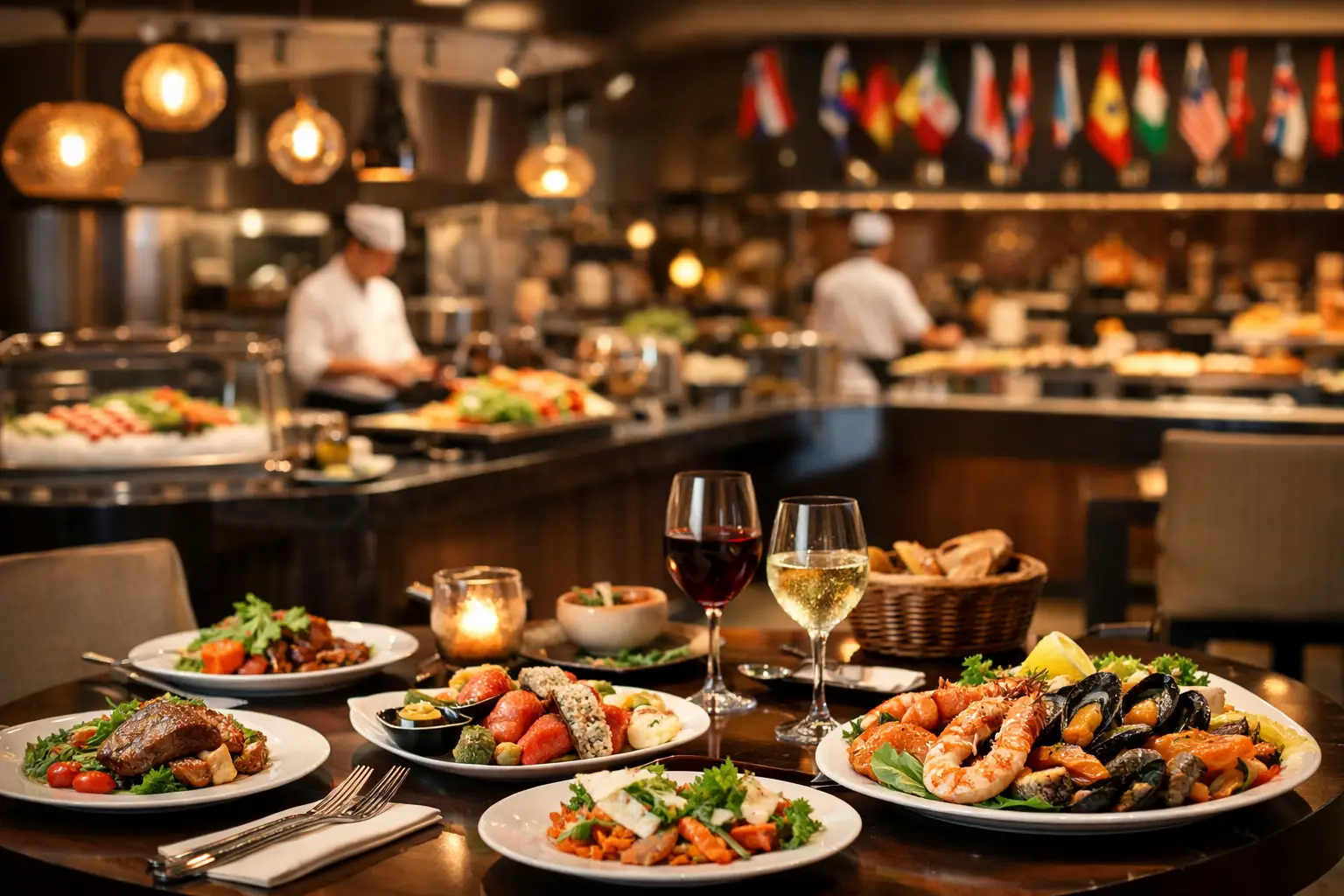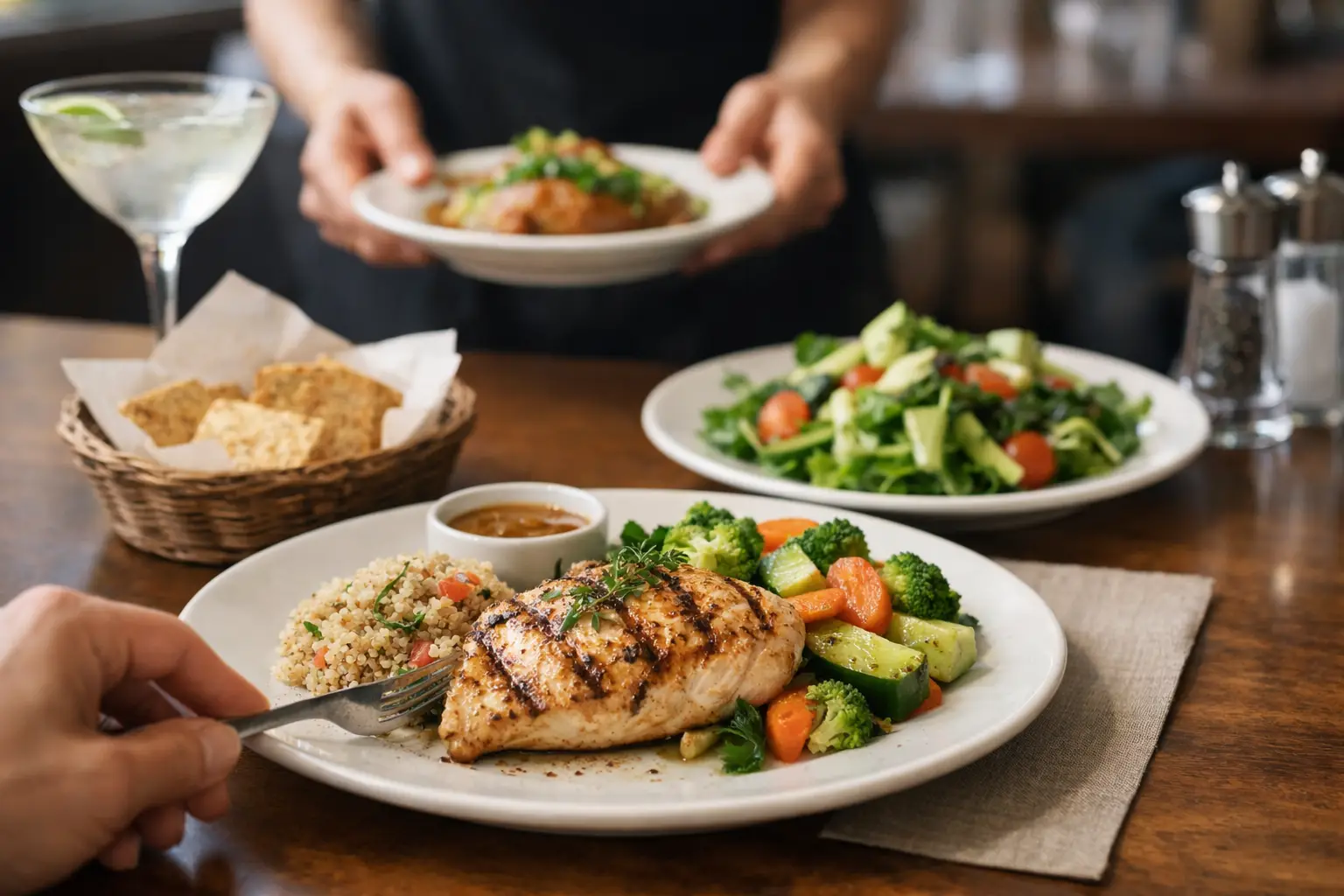



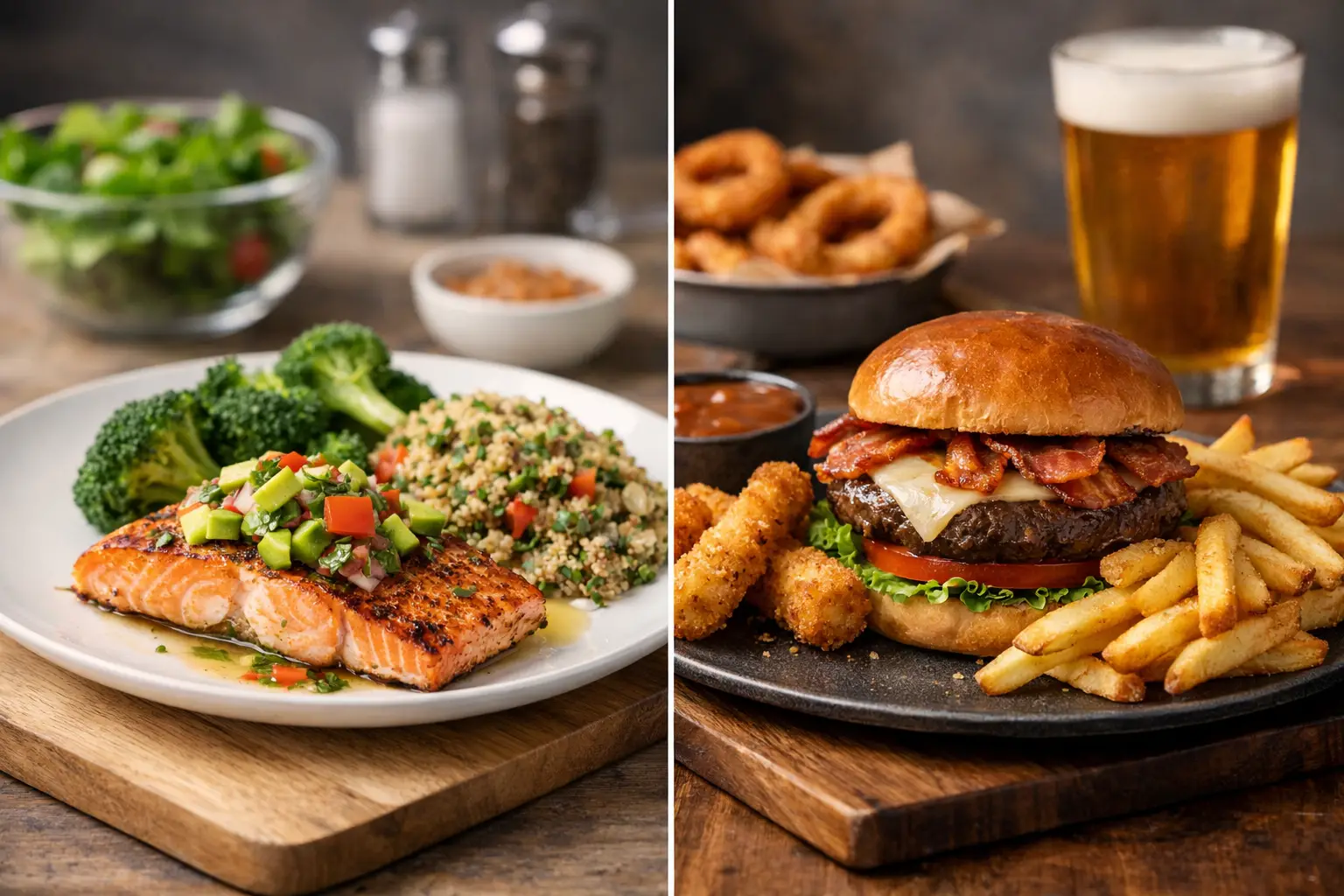
One phrase can change the entire experience of a night out. When you are deciding between a gluten free restaurant versus gluten friendly option, you are not comparing two marketing styles. You are comparing two very different levels of risk, care, and peace of mind.
For some diners, that difference is mostly about comfort. For others, especially people with celiac disease, it is about whether dinner ends as a pleasure or a problem. The language restaurants use matters because it shapes expectations before the first plate even reaches the table.
What gluten free restaurant versus gluten friendly really means
A gluten-free restaurant usually means the entire operation is designed to avoid gluten. That includes ingredients, storage, prep areas, utensils, fryers, staff training, and service procedures. In the strongest version of that promise, gluten is simply not part of the kitchen at all.
Gluten-friendly usually means something more limited. A restaurant may offer dishes made without gluten-containing ingredients, but the kitchen itself still handles bread, flour, pasta, soy sauce, beer batter, shared oil, or crumbs on common surfaces. The intention may be good. The environment is still mixed.
That is the heart of the issue. A gluten-friendly dish can be made from gluten-free ingredients and still become unsafe through cross-contact. A fully gluten-free restaurant removes that problem at the source.
This is why the terms should never be treated as interchangeable. They sound close. In practice, they can lead to completely different outcomes.
Why the distinction matters more than many menus admit
Restaurants often use gluten-friendly because it gives them room. It signals accommodation without making an absolute safety claim. From the restaurant's point of view, that can be honest. If flour is in the air and regular bread is toasted beside your plate, calling the kitchen fully gluten-free would be misleading.
For the guest, though, gluten-friendly can feel vague. Does it mean the salad is safe but the dressing is not? Does it mean the fries are gluten-free except for the shared fryer? Does it mean the staff understands cross-contact, or only ingredients?
Those details matter because gluten does not need to appear dramatically on a plate to cause harm. A breadcrumb on a cutting board, a spoon moved from one sauce to another, a splash of pasta water, or oil used for both breaded and non-breaded items can be enough.
That is why people with celiac disease often read menus with a kind of double vision. They are looking not only at what sounds delicious, but at what might have touched it before it arrived.
A gluten-friendly restaurant is not necessarily careless
This part deserves nuance. Gluten-friendly does not automatically mean irresponsible. Many restaurants work hard to offer safer options. Some staff ask the right questions, mark allergy orders carefully, change gloves, and use separate pans when possible. For guests with mild gluten sensitivity or those who are simply reducing gluten by choice, that may be enough.
But enough for one diner is not enough for another. The trade-off is built into the setup. If a kitchen serves both regular and gluten-free food, the staff must constantly control risk rather than eliminate it. Even with good systems, the margin for error is wider.
A busy Saturday night makes that reality clearer. Tickets stack up, pans move fast, hands change tasks, and communication gets tested. In a mixed kitchen, safety depends on every person remembering every detail every time. In a fully gluten-free kitchen, the baseline is already safer before service even starts.
What a true gluten-free restaurant changes
A real gluten-free restaurant changes the emotional temperature of dining out. Instead of negotiating every order, asking three follow-up questions, and quietly worrying when the plate arrives, the guest can focus on the meal itself.
That shift is easy to underestimate unless you have lived the alternative. People with celiac disease often carry the burden of vigilance into social moments that should feel easy - birthdays, date nights, travel dinners, business meals, family gatherings. The safest choice is often the least spontaneous one.
A fully gluten-free restaurant gives something rare back to those diners: ease. They can share plates without hesitation. They can order dessert without an interrogation. They can say yes to one more dish because the table feels inviting, not risky.
That freedom has a hospitality value that goes beyond dietary accommodation. It lets the restaurant become what restaurants are supposed to be - places of pleasure, generosity, and connection.
How to read the signs before you book
If a restaurant describes itself as gluten-friendly, read that as a signal to ask more questions, not as an automatic no. The right question is not just, Do you have gluten-free options? The better question is, How do you prevent cross-contact in the kitchen?
The answer usually tells you everything. If the restaurant can clearly explain separate prep areas, dedicated fryers, trained staff, ingredient checks, and service procedures, that is useful information. If the answer stays vague or focuses only on menu labels, caution is wise.
You can also listen for confidence. Restaurants that truly understand gluten safety usually answer with calm specificity. They know which sauces are safe, whether the fryer is shared, how bread service is handled, and what happens during peak service. Restaurants that do not may rely on broad reassurance. Broad reassurance is comforting, but it is not a system.
Another clue is whether gluten-free safety is central to the restaurant's identity or a small footnote on the menu. When it is central, the language tends to be clearer because the commitment runs deeper.
Why this matters for travel and shared dining
The gluten free restaurant versus gluten friendly question becomes even more important when you are traveling or dining in a group. In those moments, no one wants the table to split into the people who can relax and the person who has to investigate every plate.
A fully gluten-free restaurant makes the whole evening smoother. The person with celiac disease is not put in the role of risk manager. Their partner, friends, or colleagues are not trying to interpret labels on their behalf. Everyone can participate in the same sense of abundance, especially in a sharing-style meal where dishes move around the table.
That matters in a city like Budapest, where many visitors want more than a safe bite between attractions. They want atmosphere, great wine, warm service, and food with personality. Safety should not cancel pleasure. The best restaurants prove that it does not have to.
This is part of why places like Saboré matter. A 100% gluten-free kitchen does more than remove an ingredient. It changes the terms of hospitality. It says that safety is not an afterthought and flavor is not the price you pay for it.
The language restaurants choose should be honest
There is nothing wrong with a restaurant saying gluten-friendly if that is the truthful description. In fact, honesty is better than overpromising. The problem starts when diners are expected to treat all gluten-related labels as equal.
They are not equal. Gluten-free at the restaurant level suggests a deeper operational commitment. Gluten-friendly usually suggests effort within limits. Those limits may be manageable for some guests and unacceptable for others.
That is why diners should never feel dramatic for asking direct questions, and restaurants should never treat those questions as inconvenient. When gluten affects health, clarity is part of service.
Food is emotional. It is memory, celebration, comfort, flirtation, reunion. For people who need to avoid gluten strictly, it can also be logistics, calculation, and tension. The right restaurant narrows that gap.
So when you see gluten free restaurant versus gluten friendly on your next search, do not read it as a semantic detail. Read it as a promise level. One says, we try. The other says, we built the whole experience around this. Depending on who you are and what your body requires, that difference can mean everything.
The best meal is not only delicious. It lets you exhale before the first bite.